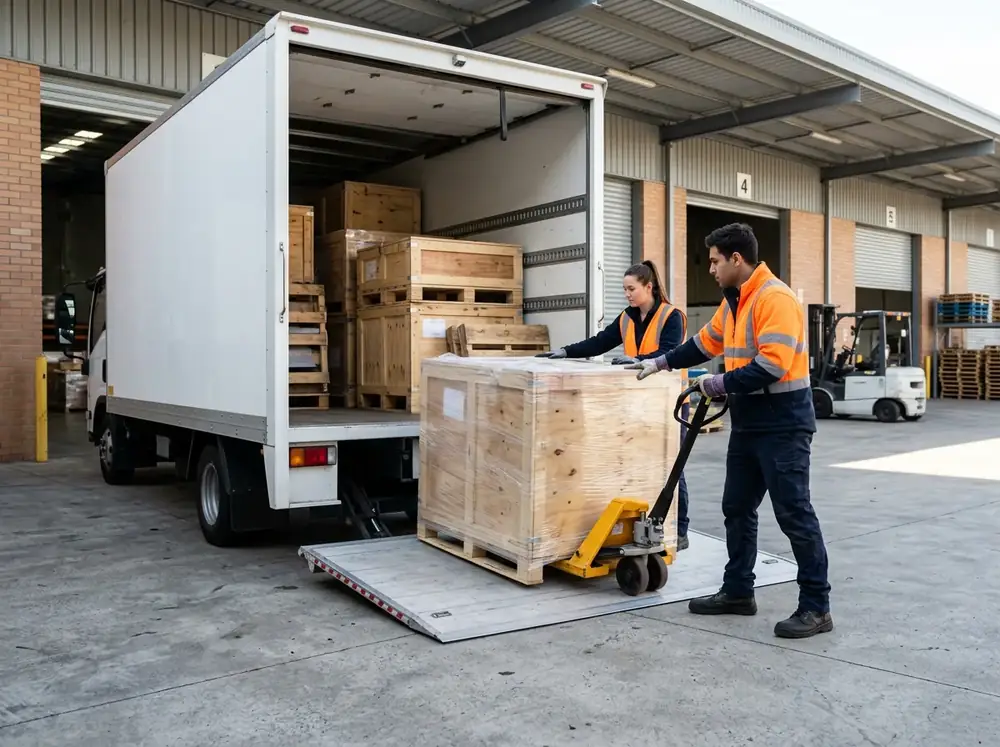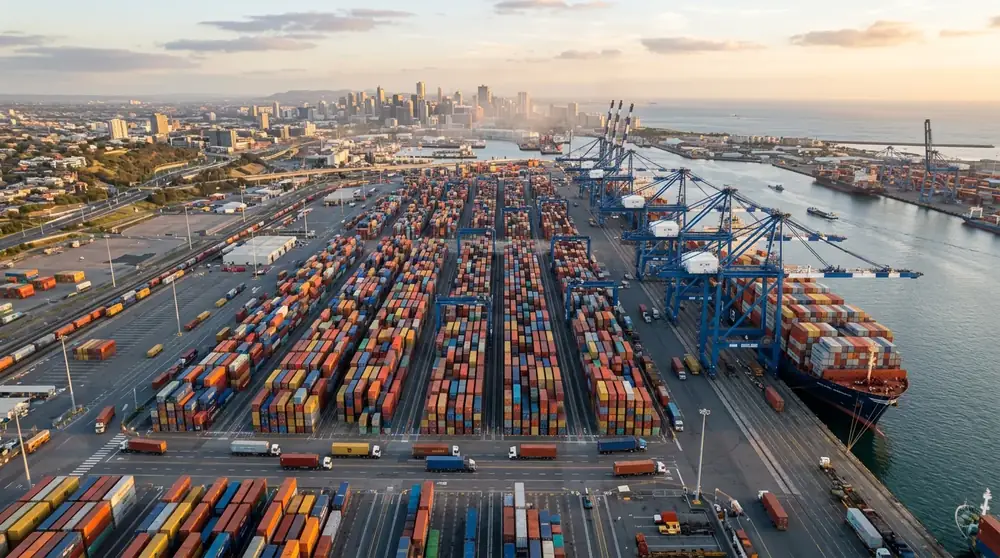
Ocean freight comes in two main forms. With a full container load (FCL), you book an entire container for your goods alone. With a less-than-container load (LCL), your goods are grouped with other shippers' cargo in the same container. The choice affects price, transit time and how often your goods are handled.
How each option works
FCL
An empty container is delivered to the shipper (or the goods are brought to it), loaded, sealed, and trucked to the port. It stays sealed across the ocean until it reaches the destination, where it is cleared by customs and delivered. You pay a price per container, whether it is full or not.
LCL
Your goods go to a consolidation warehouse near the origin port, where they are loaded into a container with other shipments heading the same way. At the destination, the container is unloaded at a deconsolidation warehouse, each shipment is cleared, and then delivered separately. You pay for the space your goods occupy, usually per cubic meter, with a minimum charge.
Container sizes
The two most common sizes are:
- 20-foot container: roughly 33 cubic meters of internal volume, suitable for heavy, dense cargo.
- 40-foot container: roughly 67 cubic meters; the 40-foot high cube adds about 30 cm of height for around 76 cubic meters.
Usable volume is always lower than the theoretical figure, because cargo does not fit perfectly. Weight limits also apply, and heavy cargo can hit the weight limit before the container is full.
Comparing cost
LCL is priced per cubic meter, FCL per container. For a small shipment of a few cubic meters, LCL is almost always cheaper. As the volume grows, the per-cubic-meter LCL cost adds up, and at some point a 20-foot container costs about the same or less. That tipping point often sits somewhere between 13 and 15 cubic meters, but it moves with market rates on each route, so compare both quotes when you are in that range.
Remember that LCL carries extra charges on both ends for consolidation and deconsolidation, which are included in a good all-in quote but can be missing from a cheap headline rate.
Comparing transit time
FCL is generally faster door to door. LCL cargo waits at the consolidation warehouse until the container is ready, and at destination the container must be unloaded and sorted before your shipment can be released. If one shipment in an LCL container is held for inspection, the deconsolidation of the whole container can be delayed.
Comparing risk of damage
An FCL container is touched only when it is loaded and unloaded. LCL cargo is handled several more times, alongside goods packed by other shippers. Fragile items travel well in LCL if they are palletized or crated properly; loose cartons are more exposed.
When to choose LCL
- You are shipping a few pallets, crates or pieces of furniture.
- Your volume is well under half a container.
- You can accept a slightly longer transit time.
- Your goods are properly packed on pallets or in crates.
When to choose FCL
- Your shipment fills most of a 20-foot container, or more.
- Goods are fragile, high-value or sensitive to handling.
- You need the fastest and most predictable ocean transit.
- You want the container loaded at your own premises and sealed there.
A note on "LTL"
You may also see the term LTL (less-than-truckload). It is the road-freight equivalent of LCL: your pallets share a truck with other shipments. A typical international shipment can combine both: LCL across the ocean, then LTL trucking from the U.S. port to the final destination.
Not sure which option fits? Send us your volume and weight and we will compare both. More detail on our international freight service.
This guide is general information, not legal or customs advice. Rules and rates change; check the current requirements for your shipment.